Too many balls in the air – a collage by Shalom Wiebe
This work was shared with us by our colleague and long-time When Love Hurts collaborator, Shalom Wiebe.

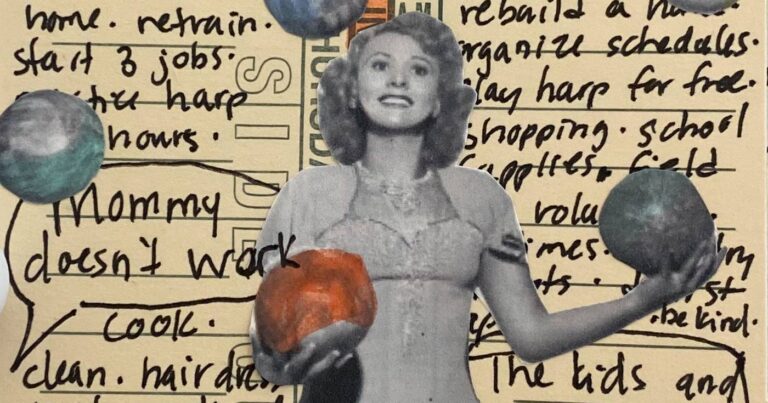
This work was shared with us by our colleague and long-time When Love Hurts collaborator, Shalom Wiebe.
Season One launches November 25! Join us as we reframe the conversation about abuse, healing, and hope.
What if everything you thought you knew about abuse wasn’t quite right? What do you do when you realize the man you’re with is not who he says he is? But you can’t quite put your finger on exactly what the problem is. What do you do when you feel trapped and alone in your…

The When Love Hurts podcast will be for anyone who wants to know more about woman abuse and the long-ranging impacts in the lives of women and children.

Carolyn A. Rogers, MAPPL, reflects on what it means to “let go,” on her own terms.
Is this thing on?

Reflections from a four-decade journey working toward a safer and more respectful world for women and children.

When asked to write an article on the impacts parental alienation accusations had on me and my kids — I jumped at the chance. Telling my story proves to be healing each time I do it — largely in part because when all of this was happening, no one seemed to hear me or my…

This descriptive framework is a collection of signs, feelings, actions, attitudes, and more, that indicate that healing is happening.

Over the years, we have heard stories from women of counsellors who offered advice that was hurtful and sometimes even dangerous.

In our experience, when women are treated abusively in their relationship, they always seek ways to resist that treatment.

Research and frontline experiences have documented women’s narratives about how the dynamics of abuse are echoed in services and systems. The service landscape once viewed women with experiences of abuse as resilient survivors, and the systems in need of change. Now, individual women are more often framed as problematic and in need of treatment to…